Jordan

SHADES PROJECT
SHADES aims to accelerate the transition towards healthier, more sustainable and inclusive food systems in the Mediterranean region by promoting the Mediterranean Diet as a driver of public health, environmental sustainability and cultural identity.
The project places children, families, educators, schools, municipalities and local food actors at the heart of this transformation. Through school meal programmes, public food procurement, Living Labs, educational activities and digital tools, SHADES will support long-term behavioural change and strengthen sustainable urban food systems across Europe and MENA countries.

CONSORTIUM


PILOT CITIES
SHADES works with Mediterranean pilot cities to connect research, public action and local food-system knowledge.
Jordan

Türkiye
Morocco
FROM EVIDENCE TO EVERYDAY LIFE
Build evidence around dietary patterns, sustainability and local urban food environments.
Connect research, public authorities, educators, communities and food-system actors.
Support food literacy and decision-making with educational and digital approaches.
Strengthen cooperation and learning across European and MENA contexts.
WORKPLAN
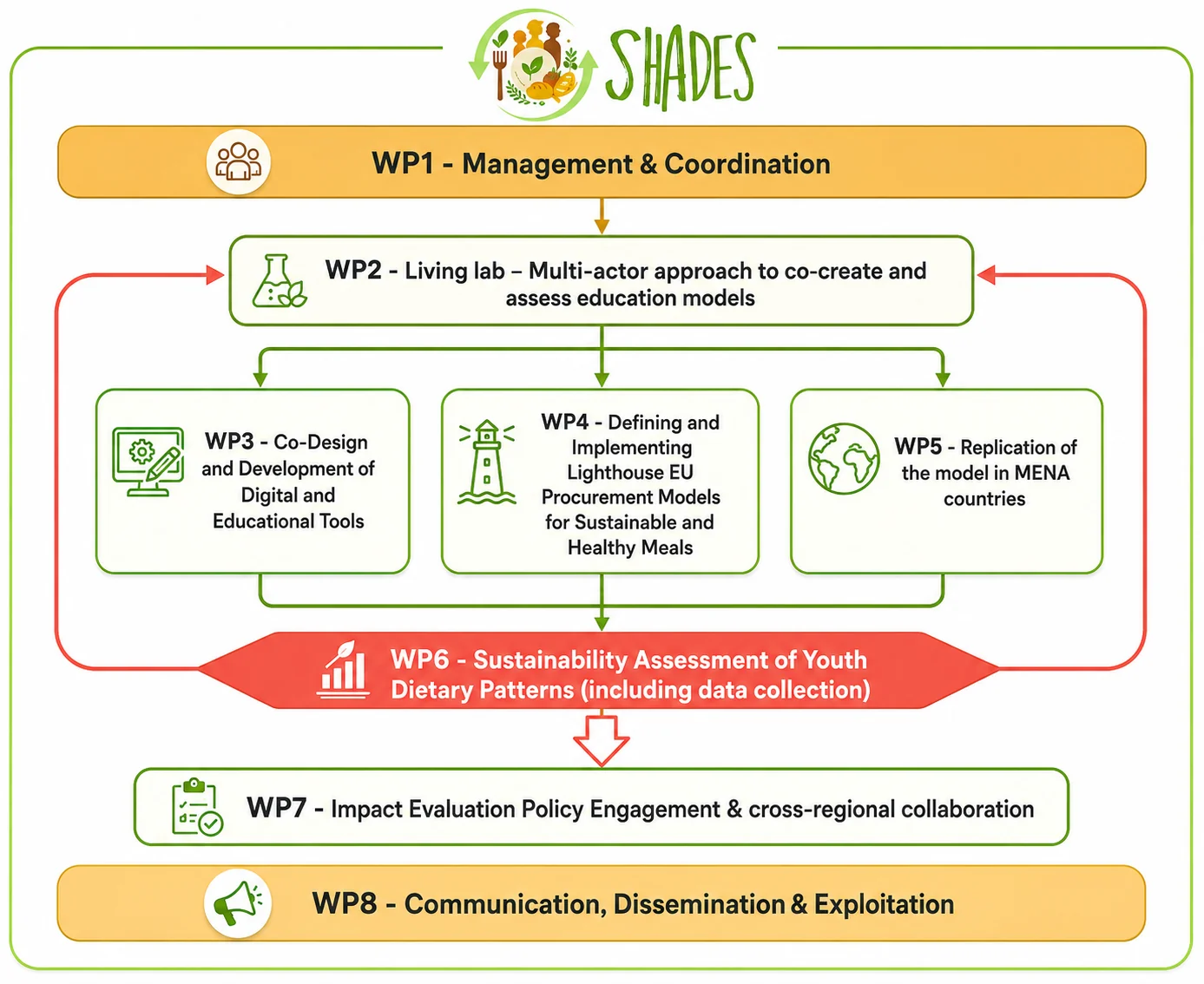
SHADES is organised across eight interconnected Work Packages, linking coordination, co-design, education, public procurement, replication, assessment, policy engagement and communication.
INTERACTIVE HUB
Two dedicated routes connect young people and educators with SHADES learning resources and activities.


PROJECT UPDATES
Follow SHADES through the project’s official communication channels.
Official channel
News, project milestones and network updates from the official project page.
Visit LinkedInOfficial channel
Visual stories and campaign material from across the project network.
Visit InstagramProject area
Explore project milestones, activities, events and stories from the SHADES network.
Open overviewAbout us
Explore the people, partnerships and activities that shape SHADES.
About us
SHADES promotes healthier, more sustainable and inclusive urban food systems by using the Mediterranean Diet as a practical and cultural framework for change.
The project focuses on schools and public food procurement as powerful entry points to improve children’s diets, reduce food waste, strengthen local supply chains and support sustainable food choices. SHADES combines policy innovation, participatory Living Labs, educational activities and digital tools to engage children, families, educators, canteen operators, municipalities, farmers and policymakers.
By connecting school meals, food education, local producers and digital innovation, SHADES will create a replicable model for Mediterranean cities in Europe and MENA countries.
About us
SHADES combines project coordination and scientific and technical coordination across the consortium.
About us
The SHADES consortium brings together 14 partners from 7 Mediterranean countries: Italy, Spain, France, Greece, Jordan, Morocco and Türkiye.
The partnership includes municipalities, research and technology organisations, SMEs, food system experts and innovation actors. This multidisciplinary structure allows SHADES to connect scientific knowledge, public policy, school food systems, digital innovation and local community engagement.
About us
The SHADES External Advisory Board will provide independent strategic guidance to the consortium, supporting the scientific quality, policy relevance and societal impact of project activities.
The Board will contribute expertise on sustainable food systems, public procurement, school meals, Mediterranean Diet, digital innovation, behavioural change, policy uptake and EU–MENA cooperation.
Communication Area
SHADES will build strong synergies with European and Mediterranean initiatives working on sustainable food systems, school meals, public procurement, food education, digital innovation and urban food policies.
EU-funded project
BIOECONOMY GIANTS empowers farmers, foresters and agri-food producers to join circular bio-based value chains. It promotes new business models that turn residues into valuable products, fostering sustainability, innovation and rural growth across Europe.
Objectives
The main goal of SHADES is to promote the Mediterranean Diet as a healthy, sustainable and culturally grounded eating pattern, while transforming school meal systems and urban food policies across Mediterranean cities.
Workplan
SHADES is structured into 8 interconnected Work Packages. Together, they ensure strong project coordination, participatory co-design, digital innovation, school-based pilots, impact evaluation, policy engagement, replication in MENA countries, sustainability assessment and long-term exploitation of results.
Workplan
Open the full Workplan overview to explore the official eight-package structure and its interconnections.
Communication Area
Stay updated with the latest news from SHADES, including project milestones, Living Lab activities, school engagement, city pilots, policy dialogues, communication campaigns and results from across the Mediterranean region.
Communication Area
SHADES will participate in and organise events to engage schools, municipalities, researchers, families, food producers, policymakers and international organisations.
Communication Area
The Community Hall is an open space where schools, municipalities and local communities can share their initiatives, activities and success stories related to healthy eating, Mediterranean Diet, school meals, food waste reduction and sustainable food practices.
This section aims to inspire peer learning across Mediterranean cities and give visibility to local actions developed within and beyond the SHADES project.
Interactive Hub
SHADES learning resources are organised for children and young people and for educators.
Interactive Hub
Welcome to the SHADES Children & Young People area: a playful space to discover the Mediterranean Diet, learn about healthy and sustainable food choices and understand how everyday meals can support both people and the planet.
Here, children and young people will find games, videos, challenges, recipe cards and interactive activities designed to make food education fun, practical and engaging.
Interactive Hub
The Educator area provides teachers, school staff and canteen operators with practical resources to promote food literacy, Mediterranean Diet principles and sustainable food behaviours in and beyond the classroom.
The materials will support schools in implementing Living Lab activities, engaging families and integrating healthy and sustainable eating into educational pathways.
Public Materials
The official structure separates public deliverables from promotional materials.
Public Materials
This section provides access to SHADES public deliverables, reports, policy briefs, guidelines and tools produced throughout the project.
Public Materials
Awareness Campaigns Material
SHADES awareness campaigns will promote the Mediterranean Diet, sustainable school meals, local food systems, food waste reduction and healthier eating habits among children, families, schools and communities.
Promotional Materials
Watch SHADES videos to discover the project, its activities, pilot cities, school engagement actions and results.
Promotional Materials
Subscribe to the SHADES newsletter to receive regular updates on project activities, events, public materials, Living Labs, school pilots and policy results.
Policy Corner
The SHADES Policy Corner provides evidence-based resources to support municipalities, schools, procurement officers, policymakers and public authorities in designing healthier, more sustainable and inclusive school meal systems.
This section gathers policy briefs, guidelines, case studies and recommendations developed through SHADES activities in Europe and MENA countries.
Contact Us
Send a message to the SHADES project team. Required fields are marked with an asterisk.
01 May 2026 — 30 April 2029 · 36 months
EU contribution: €2,697,518.75
PRIMA Section 1 2025
Topic: Transforming Mediterranean Food Systems: Empowering Consumers for Sustainable Diets
SHADES Newsletter
Subscribe to the SHADES newsletter to receive regular updates on project activities, events, public materials, Living Labs, school pilots and policy results.
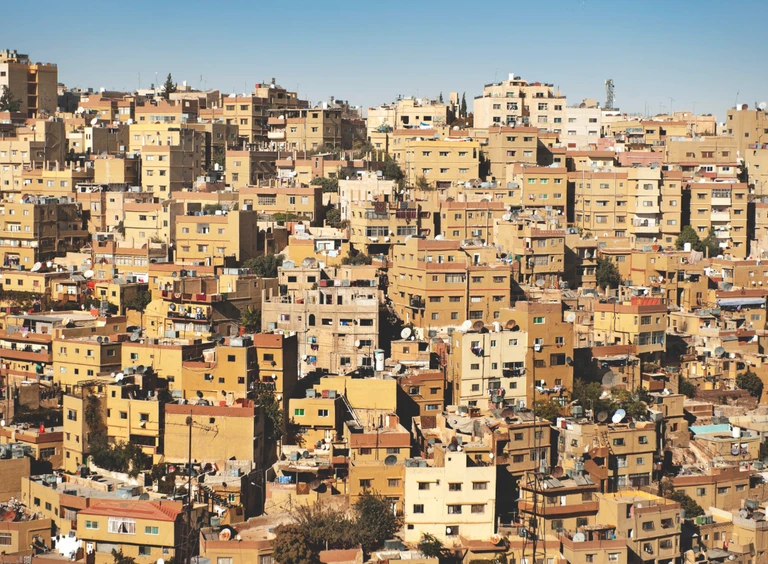
Jordan · SHADES pilot city
The Greater Amman Municipality (GAM) is the local government authority responsible for managing Jordan’s capital city, Amman, and delivering municipal and public services to its residents. GAM covers an area of approximately 800 km² and serves a population of more than 4 million people through 22 administrative districts, ensuring efficient and accessible service delivery.
The municipality operates with financial and administrative independence and is responsible for urban planning, infrastructure development, environmental management, public health, licensing, traffic regulation, and community development. It provides over 134 public services to citizens and institutions, as well as 78 internal services that support its operations. Through sustainable planning and strategic partnerships, GAM aims to enhance the quality of life while preserving Amman’s cultural identity and heritage.
Türkiye · SHADES pilot city
Muratpaşa Municipality is the central district municipality of Antalya, Türkiye’s tourism capital. The municipality was established on 2 September 1993. It is currently organised into 35 departments and has approximately 2,700 staff members. The local government unit covers an area of 92 km². The district has a coastline of 26 km and a population of 513,000. Muratpaşa district has an urbanisation rate of 98% and no rural areas. Muratpaşa Municipality plays a key role in managing services for local residents and the many tourists who visit the area.
In addition to carrying out essential municipal activities such as urban planning, road construction and waste collection, Muratpaşa Municipality implements various social and cultural projects, particularly in the areas of environmental sustainability, sport and culture. These projects serve different groups in society, including older people, young people, women, children, people with disabilities and international residents. Muratpaşa Municipality has a Local Equality Action Plan and a Corporate Energy and Climate Action Plan. It is a member of ICLEI and MUFPP and a signatory to the Covenant of Mayors Europe.
Muratpaşa Municipality has adopted a governance approach that is participatory, inclusive, transparent and accountable, providing services to all citizens without discrimination and ensuring equality.
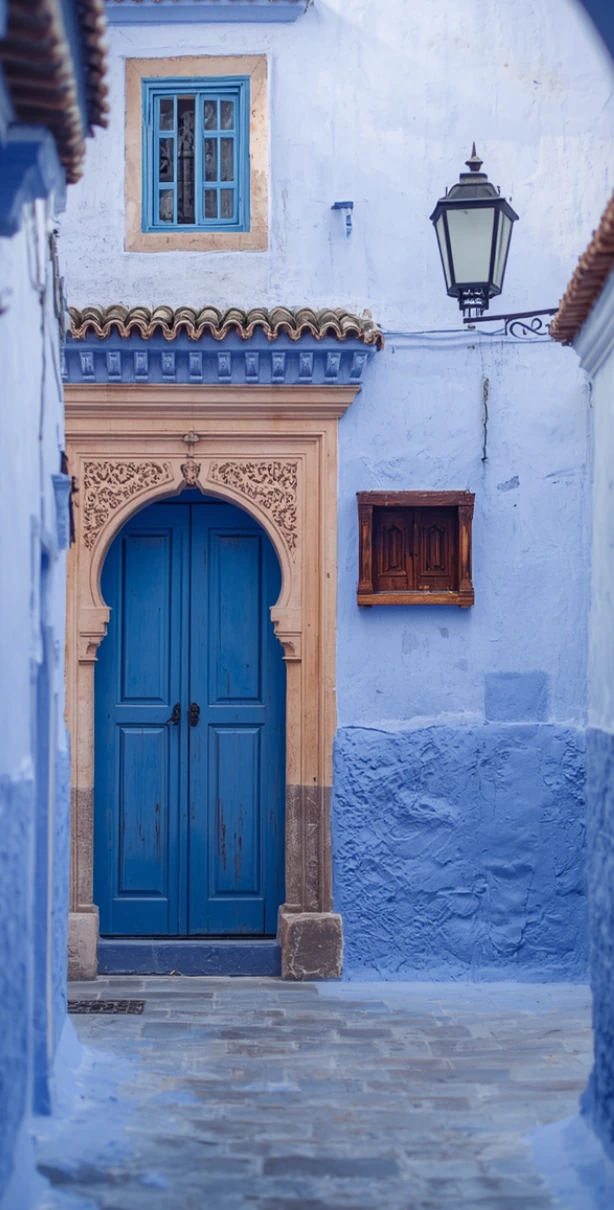
Morocco · SHADES pilot city
Chefchaouen is a small mountainous city of 46,000 inhabitants that declared itself an Ecological City in 2010.
Recognised by UNESCO for its intangible cultural heritage—specifically its deep connection to the Mediterranean Diet—the city is highly engaged in climate action and sustainable urban development.
Through active participation in global networks and international sustainability initiatives, alongside decentralised climate cooperation and the preservation of its ecological heritage, Chefchaouen acts as a leading model for environmental sustainability and ecological transition in the region.
Accessibility
The SHADES website supports keyboard navigation, clear focus states, responsive zoom, readable contrast and reduced-motion preferences.
Legal · Privacy Policy
This notice explains how personal data is handled when you use the SHADES website, contact the project or request the newsletter.
For personal data processed through this website, the data controller is ENCO Srl – Engineering & Consulting, project coordinator of SHADES, Via Michelangelo Schipa 115, 80122 Naples, Italy, Tax Code and VAT No. 05195140636, REA NA-421180. Privacy enquiries and requests may be sent to m.delafeld@enco-consulting.it or by certified email to enco-consulting@pec.it.
This policy applies to the public SHADES website. External websites and services linked from SHADES operate under their own privacy notices. Where a specific project activity is managed by another consortium partner, a separate notice may identify that partner as controller or joint controller.
Browser privacy choices are retained for six months. Newsletter data is kept until consent is withdrawn or the newsletter service ends; a minimal suppression record may then be retained to respect the opt-out. Correspondence and technical logs are kept only for the period required to answer the request, protect the service, resolve an incident or meet a legal obligation. Data is deleted or anonymised when it is no longer necessary.
Access is limited to authorised ENCO personnel, relevant SHADES staff and service providers acting under documented instructions where needed for hosting, security, email or newsletter delivery. Data may also be disclosed where required by law. The public site does not activate external media or optional measurement before consent. If a provider processes data outside the European Economic Area, an adequacy decision or appropriate safeguards under Chapter V GDPR must be in place.
Subject to the conditions of the GDPR, you may request access, rectification, erasure, restriction, portability or objection, and may withdraw consent at any time. Use “Cookie settings” in the footer to change website choices, or contact ENCO for other requests. You may lodge a complaint with the Italian Data Protection Authority or the competent authority in your country.
The public information areas can be browsed without registration. Newsletter subscription is not directed to children under 16; where required, a parent or guardian should provide or authorise consent. Dedicated research or educational activities involving minors are governed by separate participant information and consent procedures.
Appropriate technical and organisational safeguards are used in line with Articles 25 and 32 GDPR. The website does not use personal data for automated decision-making or profiling. Material policy changes will be reflected by a new version and date; where necessary, consent will be requested again.
Legal · Cookie Policy
This policy describes cookies and similar browser technologies used by the SHADES website.
Cookies are small files stored by a website in a browser. Local storage is a related browser feature that can remember a value without sending it automatically with every web request. This policy covers both. Necessary technologies may be used without consent when strictly required to provide a service requested by the user; optional technologies remain blocked until consent.
On a first visit you can reject all non-essential technologies, accept all, or make a category-by-category choice. Rejecting is as easy as accepting. No optional switch is preselected. You can reopen the same controls through “Cookie settings” in the footer and withdraw or change consent at any time.
A changed choice prevents future activation of the relevant optional category. Technologies already executed before withdrawal cannot always be technically reversed without reloading the page; the current SHADES build does not load analytics or third-party embeds, so this limitation has no present effect.
You can inspect or delete cookies and local storage through your browser settings. Deleting shades-consent-v1 causes the website to ask for a new choice. Blocking all browser storage may prevent preferences from being remembered but does not block access to public content.
This inventory is reviewed whenever a service is added or changed. A material change updates the policy version and triggers a new consent request. Questions may be sent to m.delafeld@enco-consulting.it. See the Privacy Policy for controller information and data subject rights.
Legal · Terms of Use
These terms govern access to and use of the public SHADES website and its materials.
The website is operated for the SHADES project by ENCO Srl – Engineering & Consulting, Via Michelangelo Schipa 115, 80122 Naples, Italy, Tax Code and VAT No. 05195140636, REA NA-421180. Contact: m.delafeld@enco-consulting.it.
The website shares information, events, educational resources, public outputs and project updates. By using it, you agree to these terms and applicable law. If you do not agree, discontinue use of the website.
Content is provided for general information and dissemination. It is not medical, nutritional, legal or procurement advice and should not replace qualified professional guidance. Reasonable care is taken to keep content accurate and available, but uninterrupted access, completeness and freedom from error cannot be guaranteed. Content may be corrected, replaced or removed as the project develops.
Unless a specific licence or credit states otherwise, text, branding, graphics and original website materials are protected by applicable intellectual-property law. You may access, quote and share public material for lawful, non-misleading and non-commercial information or educational purposes, provided that SHADES and the stated author or source are credited, notices are preserved, and no endorsement is implied. Separate deliverables may carry their own licence, which prevails.
Links to consortium partners, social networks and other external resources are provided for convenience. SHADES does not control their availability, content, security or privacy practices. Following an external link places you under that provider’s terms and policies.
To the extent permitted by applicable law, ENCO and the SHADES consortium are not liable for indirect or consequential loss arising solely from the use of, inability to use or reliance on this informational website. Nothing in these terms excludes liability that cannot lawfully be excluded or limits statutory rights.
Personal data is handled as described in the Privacy Policy and Cookie Policy. These terms may be updated when the service or legal requirements change. They are governed by applicable European Union and Italian law, without prejudice to mandatory protections available to users in their country.
SHADES is funded by the PRIMA Foundation and co-funded by the European Union and the Participating States. Views and opinions expressed are those of the author or authors only and do not necessarily reflect those of the European Union or the PRIMA Foundation. Neither the European Union nor the granting authority can be held responsible for them.


